DO OR DIE
Hardcore From Belgium


Do Or Die are:
Délo Arnaud – guitar
Etienne Carton – guitar
Guillaume Dujardin – drums
Chris Michez – vocals
Rémy Kwaschin – bass
Giovanni Narcisi – vocals
discography:

EP

album
album
live-album
album
album
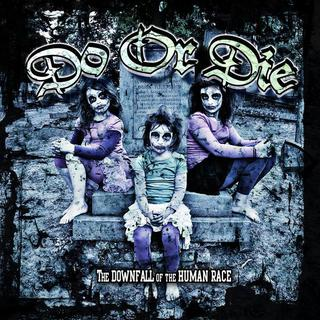
album
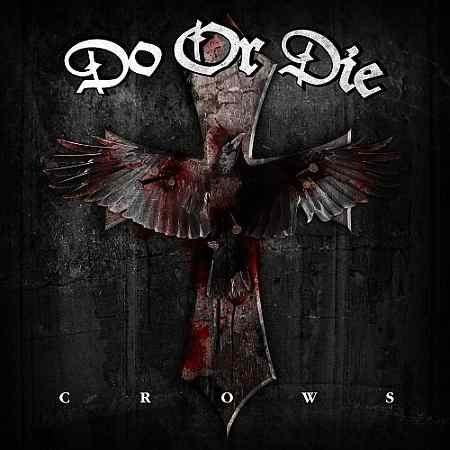
album
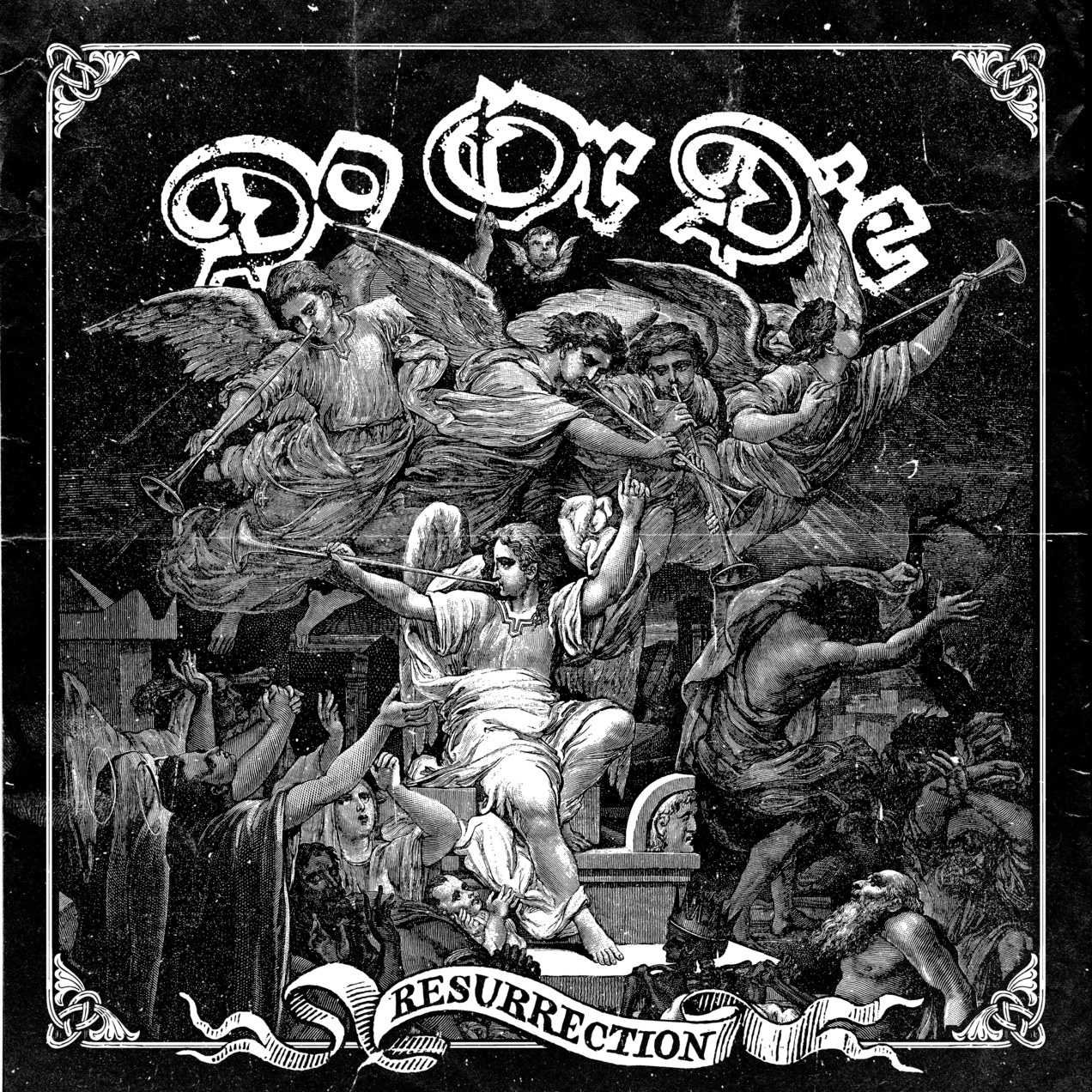
EP
Belgium has produced its share of influential hardcore bands, and Do Or Die have been part of that scene since 1999.
With more than 25 years of history, six studio albums and countless performances across Europe, the band have established themselves as one of the enduring names of Belgian hardcore, combining the raw aggression of the New York hardcore tradition with the heaviness and groove of modern metal.
Drawing inspiration from bands such as Hatebreed, Merauder, Sworn Enemy and Throwdown, Do Or Die developed a sound built around crushing guitar riffs, powerful rhythms and direct, aggressive songwriting.
Their music brings together the confrontational attitude of traditional hardcore and the metallic intensity that helped define the genre’s evolution around the turn of the millennium.
The band’s first EP appeared in 2000, followed by extensive touring throughout Belgium, the Netherlands, Luxembourg and France.
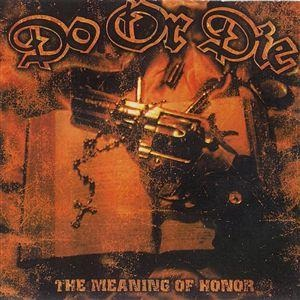
Their first two full length albums, ‘Heart Full of Pain‘ in 2001 and ‘The Meaning of Honor‘ in 2002, both released through I Scream Records, helped establish their reputation beyond the Belgian underground.
Those early years also brought appearances at major events including Pressure Fest, Graspop Metal Meeting and Fury Fest, where Do Or Die developed the live presence that would become an essential part of their identity.
Their third album, ‘Tradition‘, arrived in 2005 through Alveran Records and opened further opportunities in Germany and across Europe.
Performances at Dour Festival, With Full Force Festival and Pressure Fest followed, while three additional studio albums released between 2008 and 2015 continued to strengthen their catalogue.
Throughout those years, Do Or Die remained committed to a straightforward musical philosophy.
Their songs were designed to deliver maximum impact through heavy grooves, aggressive vocals and rhythms that translate naturally from the studio to the concert stage.
Rather than relying on unnecessary complexity, the band built their identity around intensity, directness and the physical energy of hardcore.
After a period of inactivity, Do Or Die returned in early 2021 with a renewed lineup centred around Chris, the remaining founding member.
Bringing together former members and new musicians, the comeback was driven by a clear ambition:
to preserve the band’s musical identity while introducing Do Or Die to a generation of listeners who had not experienced their earlier years.
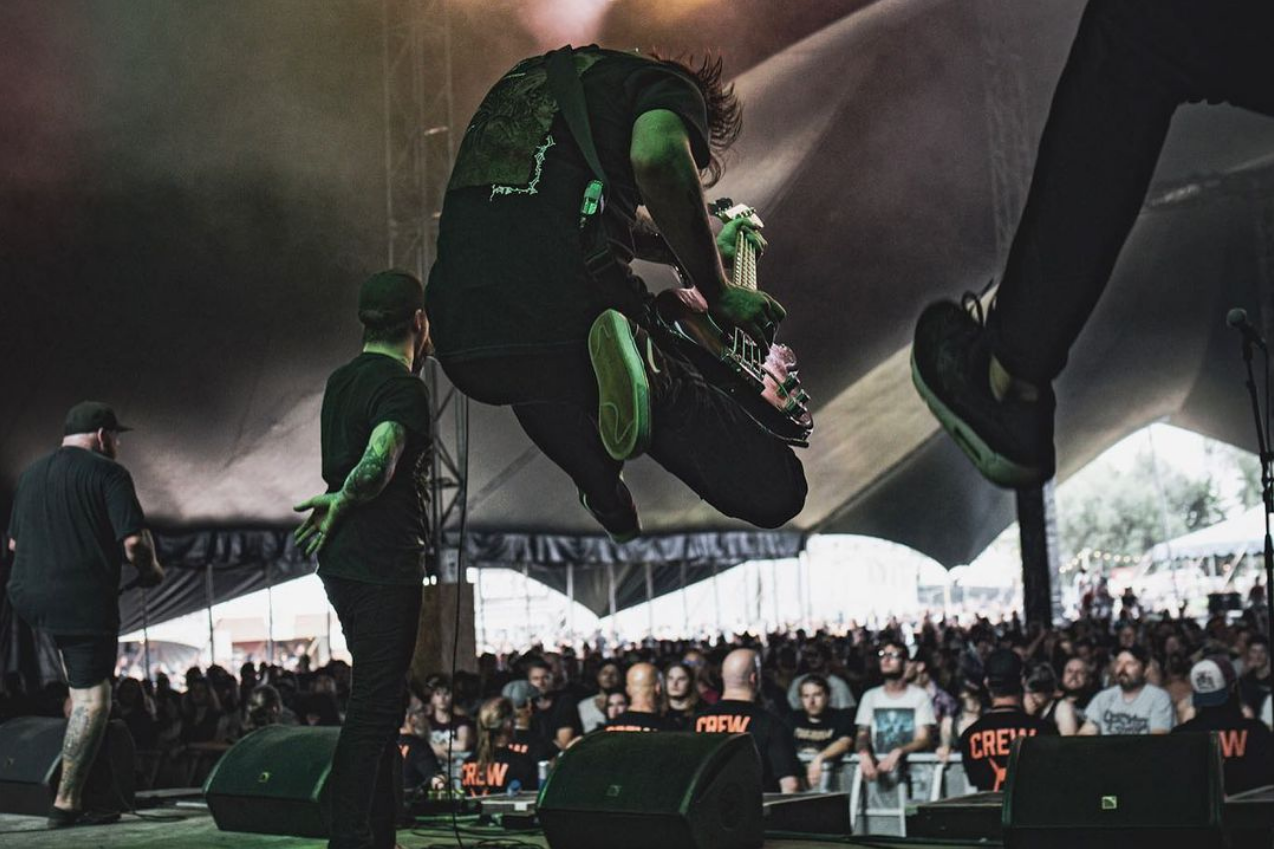
The renewed formation soon returned to the European live circuit, performing throughout 2022 and 2023 and appearing at major festivals including Hellfest, Dour Festival and Alcatraz.
These performances marked an important continuation of the band’s story, demonstrating that their combination of traditional hardcore and metallic aggression still had a place on contemporary stages.
In mid 2025, Do Or Die released their latest EP, ‘Resurrection‘, introducing new material that combines the foundations of their established sound with more contemporary influences.
The release represents another step in the band’s ongoing activity, accompanied by renewed touring across Europe.
What distinguishes Do Or Die is not simply their longevity, but their continued commitment to the musical principles that brought them together in the first place.
Their sound remains rooted in the traditions of New York hardcore, strengthened by metallic riffs and groove driven arrangements, while their live performances continue to be central to the band’s identity.
More than a quarter of a century after their formation, Do Or Die represent a connection between the early development of Belgian hardcore and the musicians and audiences carrying that tradition forward today.
With six studio albums, the ‘Resurrection‘ EP and an extensive history of European performances, Do Or Die remain an active part of the scene they helped shape, proving that hardcore does not have to lose its aggression, conviction or identity with age.