please click on the icon for the stream of your choice
Where Rock Still Breathes
Switzerland‘s Classic Rockers
OVERHEAD VALVE ENGINE
on Freedom, Imperfection, and Longevity
Interview with Sandro Trauffer
by Fok ‘bs’

“Overhead Valve Engine describes not only our sound, but the way we think as a band.”
“It’s about pressure, energy, and many parts working together – once everything engages, movement happens.”
“A song should come from the moment, with soul and risk.”
“An honest song doesn’t need to be explained – you feel it immediately.”

“If a song is strong, it carries itself without myth or exaggeration.”
“We want to write songs that grow, not ones that burn out quickly.”
“You should feel that this music is real – grounded, warm, and driven.”

“Air between the notes and small imperfections aren’t flaws – they’re identity.”
“Good ideas can be constructed. Real songs simply happen.”
“We wanted nothing between us and the music – no filters, no intermediaries.”
“The music of the ’70s means freedom to us – less correctness, more expression.”
Overhead Valve Engine don’t treat rock music as nostalgia or spectacle.
With ‘Soul On Fire‘, the Swiss band present a sound driven by motion, pressure, and human interplay – stripped of myth, focused on feel, and built to last.
Your band name is a clear statement of mechanics, power, and efficiency.
When did you realize that this image was not just a name, but your artistic self-understanding?
“The name came from a gut feeling. Something mechanical, but still alive. The longer we made music together, the clearer it became: this is exactly how we work as well. It’s about energy, pressure, and the interaction of many parts. When everything engages, movement happens. Overhead Valve Engine describes not only our sound, but also the way we think as a band.”
‘Soul On Fire‘ doesn’t sound like nostalgic reflection, but like lived presence.
What does the music of the ’70s mean to you today – attitude, sound, or a way of life?
“The music of the ’70s means freedom to us. Back then, it was less about correctness and more about expression. That attitude is timeless. It’s that feeling of a song being born in the moment, with soul and risk. We carry that into the present without copying or looking back.”
Many bands talk about ‘authentic rock‘, while you simply sound like it without explanation.
How do you know yourselves whether a song is honest or just well made?
“You feel honesty immediately. A song is honest when it doesn’t let go of us and doesn’t need to be explained. If we can play it anywhere, in any room, with any setup, and it still holds up. Good ideas can be constructed – real songs simply happen.”
You recorded and produced the album entirely yourselves.
Was control the main reason, or was it more about leaving nothing between you and the music?
“Recording everything ourselves was a conscious decision. Not out of control obsession, but out of closeness. We wanted to take every step ourselves, to feel every decision. No filters, no intermediaries. The album was meant to sound exactly the way it feels to us.”
The songs feel very ‘mobile‘, almost road-made.
When writing, do you think more about the live feeling, or does that emerge naturally?
“Our songs come from movement. Often from playing together, in the room. We don’t think in categories like ‘radio’ or ‘live’. When a song flows, it automatically gains that dynamic, that forward momentum you later feel on stage.”
In a time when perfection often matters more than character, you deliberately chose edges, friction, and air in the sound.
Where does quality end for you, and sterility begin?
“Perfection can become lifeless very quickly. We’re interested in the moment before that – where it still breathes. Small imperfections, space between notes, dynamics. That’s not a flaw, it’s identity. For us, quality means hearing the people behind the music.”
Roger Alan Nichols refined your mix without smoothing you out.
How important was that balance between rawness and outside experience?
“Working with Roger Alan Nichols was valuable precisely for that reason. He understood our vision and gave it space. His experience added depth to the sound without taking away its edges. That balance was extremely important to us.”
Rock music often thrives on myth and pose – your music, by contrast, feels grounded and direct.
Is understatement a conscious stylistic choice for you?
“Understatement isn’t a pose, it’s a natural state. We don’t need to inflate or dramatize anything. If a song is strong, it carries itself. Directness and groundedness give us more freedom than any myth ever could.”
‘Soul On Fire‘ sounds like an album that doesn’t want to prove anything – it simply exists.
After a debut, does a band feel more relief or new pressure?
“After the debut, the main feeling was relief. This album exists now. It stands on its own, independent of expectations. That brings calm – and at the same time the desire to move forward without needing to prove anything.”
Switzerland isn’t exactly known as an epicenter of ’70s classic rock.
Is that a disadvantage, a safe space, or completely irrelevant to you?
“Switzerland is simply our starting point. Music knows no borders. Perhaps that distance even helps to walk your own path, without orienting yourself around scenes or trends. What matters is how seriously you take it.”
Many young bands orient themselves around algorithms – clearly not you.
How important is reach compared to long-term impact?
“Reach is temporary. Impact lasts. We want to write songs that grow, not ones that burn out quickly. If music accompanies people over a longer period of time, that’s worth more than any algorithm.”
If you see your music as an engine:
what keeps it running – discipline, passion, or a certain stubbornness?
“It’s a mixture of everything. Passion lights the fire, discipline keeps it burning – but in the end, it’s stubbornness. That inner certainty that you keep going, no matter what the road looks like.”
If someone hears ‘Soul On Fire‘ for the first time years from now:
what should they feel about Overhead Valve Engine without knowing your name?
“They should feel that this music is real. Groundedness, warmth, pressure. The feeling that people are playing here who mean what they do – and that these songs can stand on their own, without a name, without context.”
‘Soul On Fire‘ doesn’t chase relevance or recognition.
It stands as a document of intent – rooted in movement, shaped by restraint, and powered by the belief that rock music still works best when it sounds human.
by Fok ‘bs‘
OVERHEAD VALVE ENGINE
70’s Classic Rock From Switzerland


Overhead Valve Engine are:
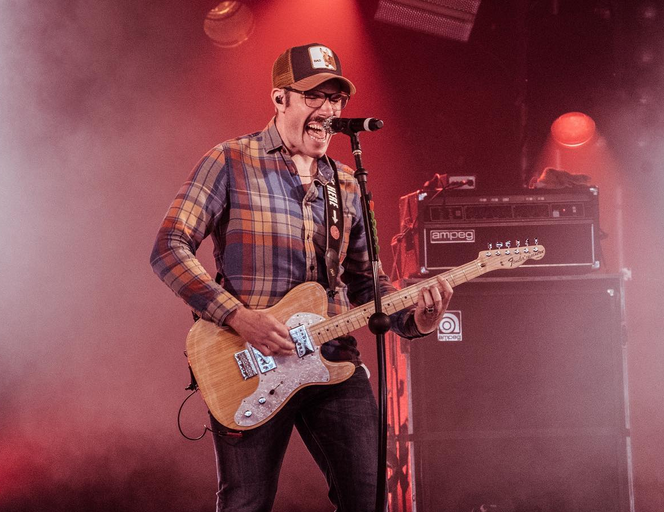
Sandro Trauffer – vocals, guitar
Tom Abplanalp – guitar
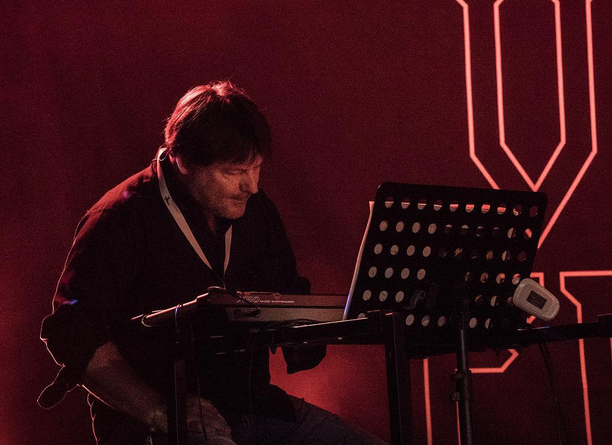
Alexandre Eggenberg – keys
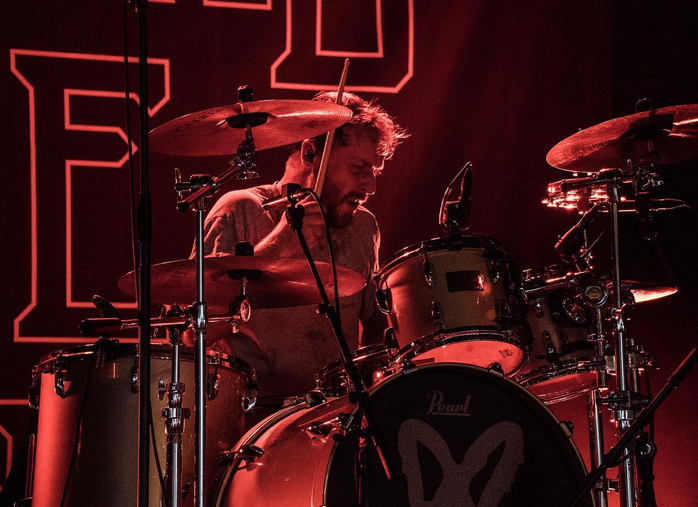
Luke Huggler – drums
Märtel Leuenberger – bass
discography:

album
Overhead Valve Engine don’t waste time warming up – the valves open, the fuel ignites, and the band hits the road at full throttle.
Hailing from Switzerland, the band channels the raw spirit of loud, driving 1970s rock, built on gritty riffs, swinging grooves, and an unmistakable love for classic rock ’n’ roll muscle.
Their name is more than a mechanical reference.
An overhead valve engine is all about efficiency, power, and forward motion – and that philosophy runs straight through the band’s sound.
There’s no overproduction, no modern polish for the sake of trends.
Overhead Valve Engine play rock the way it was meant to be played:
loud, direct, and with soul.
Their debut album ‘Soul On Fire‘ is exactly that – a no-frills, high-octane rock ’n’ roll record recorded and produced entirely by the band themselves.
Keeping full creative control, they captured the grit and energy of their live sound before handing the mixes to Roger Alan Nichols at Bell Tone Recording in Nashville, adding a touch of seasoned analog warmth without sanding off the rough edges.
Tracks like ‘Land of the Rhythm‘ and ‘Set You Free‘ serve as perfect entry points into the band’s world.
Thick riffs, driving drums, and hooks that stick without trying too hard show how this engine really runs – steady, powerful, and built to last.
‘Soul On Fire‘ isn’t chasing nostalgia;
it’s fueled by it, proving that classic 70s rock still has plenty of fire left in the tank when it’s played with conviction.
For fans of honest, road-tested rock ’n’ roll, Overhead Valve Engine are firing on all cylinders – and this debut is just the beginning.